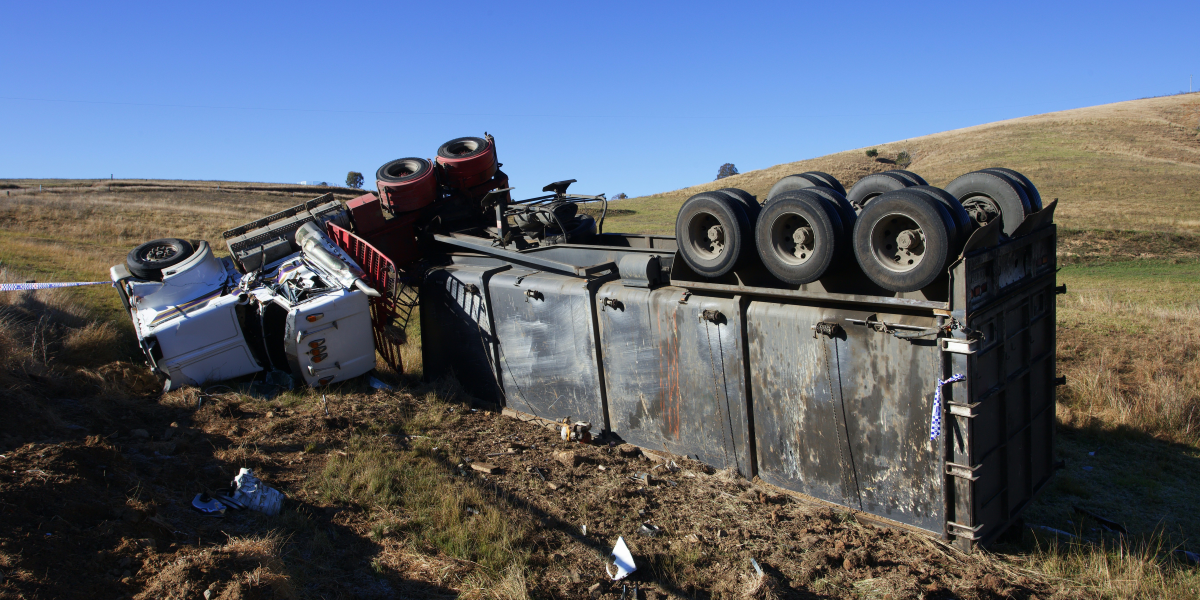




The safety of roads concerning big commercial trucks is debatable, particularly in transportation. Due to the fast development of technology and infrastructure, the dimensions and capacities of commercial trucks have been broadening unceasingly, giving an alarm about possible dangers on the roads.
Supporters believe that super-sized trucks are more efficient and yield higher, while opponents worry they will increase risks on the road.
However, the pace of technological advancements varies from country to country, while all countries feel the impact of technology on economic development equally.
Truck accidents are quite common across the USA. So, if you or your loved one were involved in a truck accident, then you should take the help of a San Antonio truck accident attorney.
Benefits of Large Commercial Trucks
Enhanced Efficiency:
Increased Payload Capacity
Bigger trucks can deliver larger loads in one trip, compared to small trucks, which require frequent trips to transport goods.
These results consequently improve companies’ operational efficiency as fewer resources are lost in transportation, such as fuel consumption and labor costs.
Streamlined Logistics
Companies can organize their shipments more efficiently when they use larger trucks, which can combine various requirements into one route and schedule.
Reduced Environmental Impact
Fuel Efficiency:
Big trucks usually have sophisticated engine features and aerodynamic designs, making fuel consumption very efficient.
Emissions Reduction:
The bigger trucks’ fewer trips needed to transport the same amount of cargo help minimize carbon emissions and other air pollutants.
This also supports international efforts to fight climate change and improve air quality in urban areas.
Improved Driver Comfort and Safety
Advanced Safety Features:
In modern times, more and more large trucks have technologies such as collision avoidance systems, lane departure warnings, and electronic stability control.
These features contribute to safety by reducing the likelihood of collisions and safeguarding both truck drivers and other roadway users.
Ergonomic Design:
Spacious trucks are mostly built to enhance the comfort of drivers and incorporate ergonomic seating, advanced climate control systems, and entertainment systems for optimum driving comfort.
What Are The Potential Risks of Larger Trucks
Increased Stopping Distance:
One of the main safety issues with the bigger trucks is that they take longer to stop than the cars.
The braking system of a truck fully loaded with heavy cargo is less efficient than that of an average car, putting more strain on the system and making it harder to stop immediately.
This constitutes a major danger, especially in high-traffic areas or highways, where quick stops are more likely.
Challenges Related to Large Commercial Trucks
Limited Maneuverability:
Larger trucks are designed so that they have very bad maneuverability capacity compared to normal-sized vehicles.
Operating oversized trucks in sharp turns, narrow streets, or crowded urban areas is particularly challenging for the drivers of these types of vehicles.
This imposes severe restrictions on preventing accidents, particularly at road junctions and other regions with restricted space or complex path design.
Visibility Issues:
One of the risks linked to larger trucks is reduced visibility for professional drivers and other highway users.
Blind spots, also known as “no-zones,” are wider and more difficult to see in oversized trucks, making it impossible for truck drivers to detect the presence of cars, cyclists, or pedestrians.
This, in turn, creates added danger likely to arise when moving from one lane to another or during a turn.
Structural Integrity:
As is the case today, trucking safety standards have been enhanced to ensure the rigorous safety requirements of larger trucks.
The structural endurance of these vehicles still faces some challenges, especially in the event of a collision.
The weight and size of large, heavy trucks can increase force (or impact), which means that other vehicles involved in collisions may suffer more severe damage and injuries.
Infrastructure Strain:
Heavier trucks put more pressure on road infrastructure comprising of bridges, overpasses, and road pavements.
The added weight and size of the trucks can contribute to a higher rate of road damage, which in turn means greater time and cost of maintenance, ultimately compromising the safety of the infrastructure.
Published by: Holy Minoza
